Team Form and Car Performance: Factors That Influence the Odds

Team Form and Car Performance: Factors That Influence the Odds
For fans of motorsport—whether it’s Formula 1, IndyCar, or endurance racing—it quickly becomes clear that results rarely depend on a single factor. Every race is shaped by a complex mix of driver skill, car performance, team strategy, and external conditions like weather and track layout. For those who enjoy analyzing odds and predicting outcomes, understanding how these elements interact can make the difference between an informed prediction and a lucky guess.
Team Form – More Than Just Momentum
In motorsport, “team form” refers to how a team performs over time. It’s not just about winning races, but about consistency, teamwork, and development. A team in good form tends to show stability across different circuits and conditions, while one in poor form may struggle with reliability or internal issues.
A team performing well often demonstrates:
- Consistent results across multiple races, even on tracks with different characteristics.
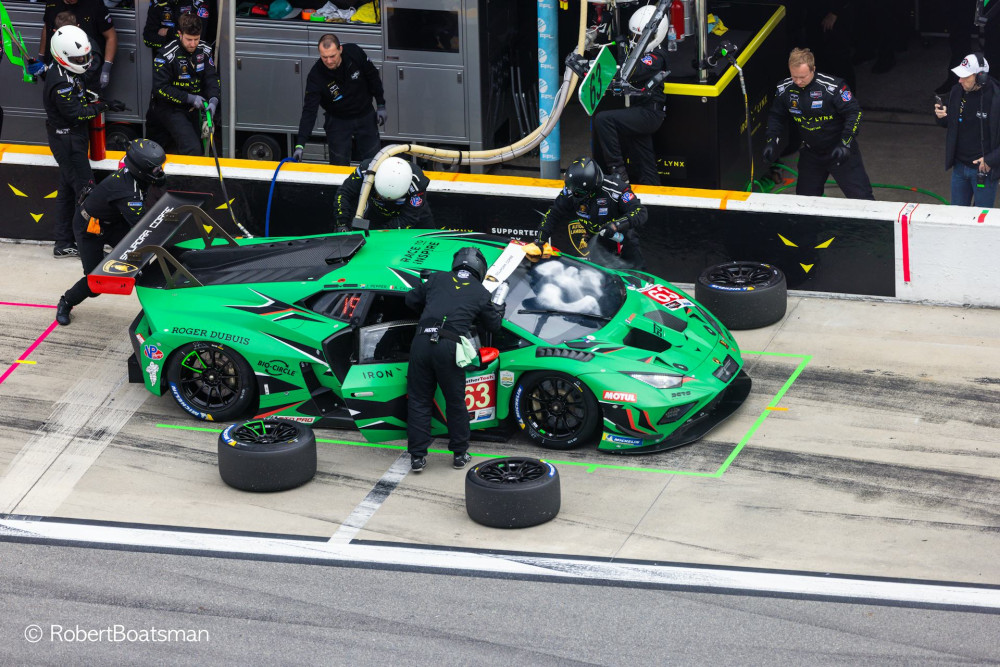
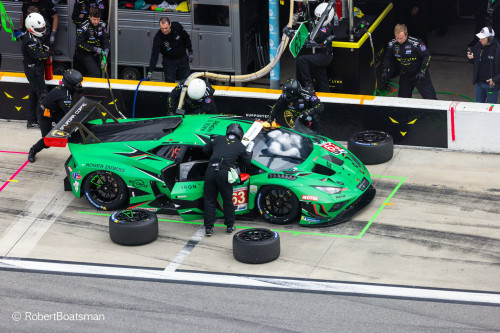
- Efficient pit stops and strategy, minimizing errors under pressure.
- Strong driver collaboration, where both drivers contribute to the team’s overall success.
When a team is out of form, it might face technical setbacks, communication breakdowns, or a lack of progress in car development. For bettors and analysts, it’s important to look at trends over several races rather than focusing solely on the most recent result.
Car Performance – The Power of Engineering
Even the most talented driver can’t win in a car that lacks pace. Car performance is one of the most decisive factors in determining both race results and betting odds. In Formula 1, for example, the gap between the front and back of the grid can be measured in tenths of a second per lap—enough to decide an entire race.
Key technical factors include:
- Engine and power unit – how much power the car can produce and how efficiently it’s delivered.
- Aerodynamics – crucial for top speed on straights and stability through corners.
- Tire management – selecting the right compounds and maintaining optimal temperature throughout the race.
- Upgrades and development – teams that continuously improve their cars can shift the competitive balance mid-season.
When analyzing odds, it’s worth tracking technical updates and regulation changes, as these can significantly alter the performance hierarchy.
Driver Form and Mental Strength
While the car and team are vital, the driver remains the one who must execute on race day. A driver in top form can extract every ounce of performance from the car, while one struggling with confidence or focus can lose valuable time.
Important factors include reaction time, physical fitness, track experience, and mental resilience. Some drivers thrive under pressure, while others perform best when expectations are lower. Statistics such as qualifying performance, race finishes, and error rates can help gauge a driver’s current form.
Track Type and Weather – The External Variables
Even the best teams can face challenges if the track doesn’t suit their car’s characteristics. Some cars excel on high-speed circuits with long straights, while others perform better on technical tracks with tight corners.
Weather is another major variable. Rain can level the playing field, emphasizing driver skill over raw speed. As a result, odds can shift dramatically when forecasts change in the days leading up to a race.
Læs også:


Strategy and Timing
In modern motorsport, strategy is nearly as important as outright speed. The timing of pit stops, tire choices, and quick reactions to safety cars can completely alter the outcome of a race.
Teams with strong data analysis and fast decision-making often gain an edge—and that advantage is reflected in the odds. Observing how a team adapts to unexpected situations can reveal a lot about its overall strength.
How It All Affects the Odds
Bookmakers consider many of these factors, but markets can react quickly to new information—such as a car upgrade, a driver illness, or a sudden weather change. This creates opportunities for those who follow the sport closely to spot when odds don’t fully reflect the true balance of power.
For analytical fans, success lies in combining data with intuition: recognizing when a team is improving, when a driver is peaking, or when conditions might favor an underdog. It takes insight and patience—because in motorsport, small margins can have big consequences.
Conclusion: The Whole Picture Determines the Outcome
Motorsport is one of the most complex sports to predict precisely because so many factors intertwine. Team form, car performance, driver mindset, and external conditions all contribute to the final result.
For fans and bettors alike, that complexity is what makes the sport so captivating. It’s not just about speed—it’s about understanding how every piece of the puzzle fits together.
Læs også: