Drivers’ Strengths and Weaknesses as an Analytical Tool in Sports Betting

Drivers’ Strengths and Weaknesses as an Analytical Tool in Sports Betting
When betting on motorsports, success isn’t just about knowing which car has the most horsepower or which team has the biggest budget. The driver—the human element—often makes the decisive difference between victory and defeat. Understanding a driver’s strengths and weaknesses is therefore one of the most valuable analytical tools for anyone who wants to approach motorsport betting with a professional mindset. But how do you evaluate a driver’s performance potential, and which factors matter most?
The Driver as the Decisive Variable
In a sport where margins are razor-thin, a driver’s individual qualities can tip the balance. Even in Formula 1, where car performance plays a massive role, a skilled driver can extract more from the machinery than others. In more balanced series like IndyCar, NASCAR, or MotoGP, the driver’s abilities become even more critical.
Analyzing drivers from a betting perspective means identifying patterns: Who performs best under pressure? Who struggles in wet conditions? Who makes the most of strategic opportunities? The better you understand these patterns, the more informed your betting decisions become.
Strengths: What Makes a Driver Strong?
A driver’s strengths can be divided into several categories, each of which can influence race outcomes—and therefore betting value.
- Technical precision: The ability to drive consistently and error-free, especially on tracks with complex corners. Drivers with high precision make fewer mistakes and manage tire wear more effectively.
- Mental resilience: Some drivers thrive under pressure. They stay composed in tight battles and deliver consistent results throughout a long season.
- Adaptability: The capacity to adjust quickly to changing conditions—weather, tire degradation, or car balance—is crucial, particularly in unpredictable series like NASCAR or endurance racing.
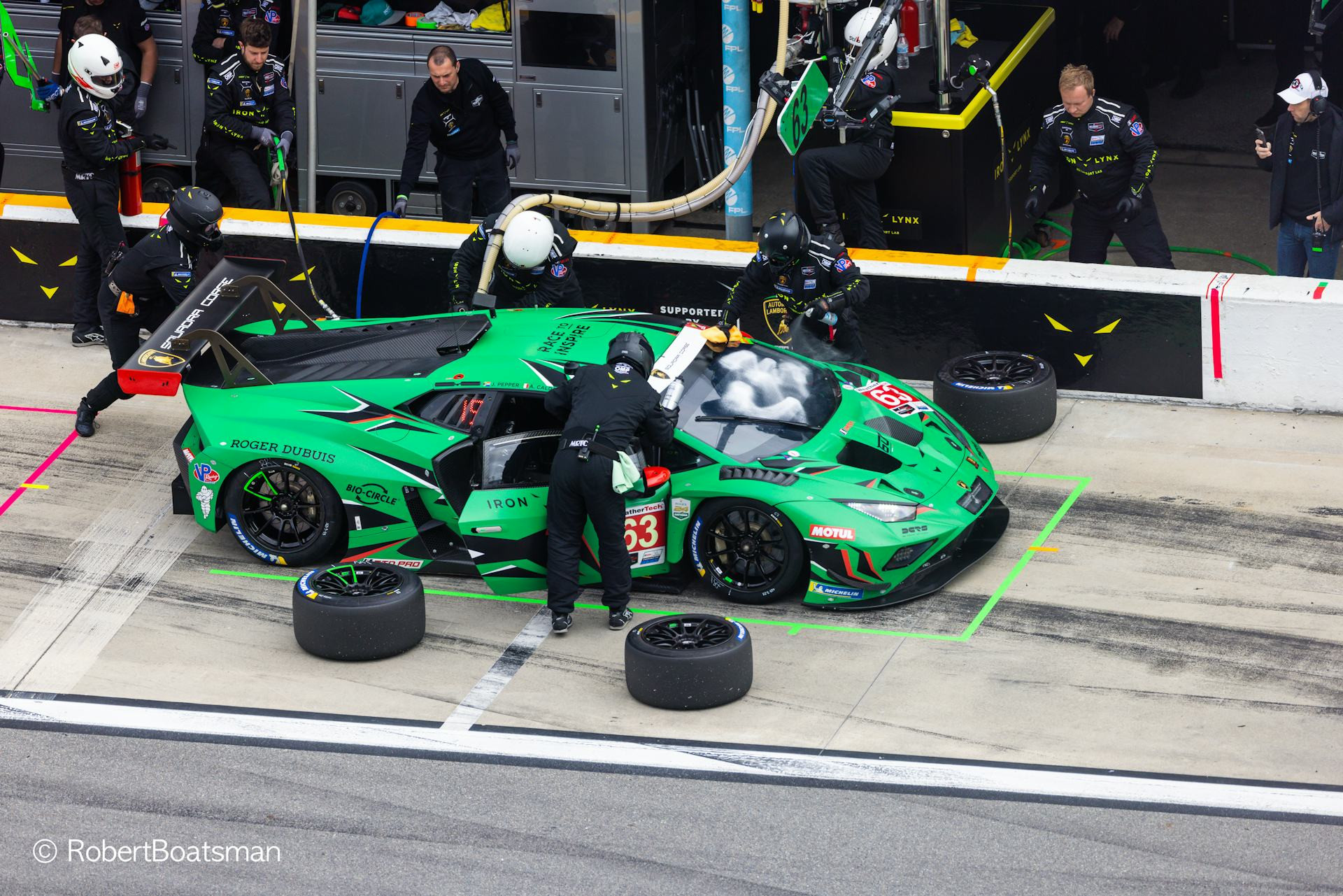
- Strategic awareness: Drivers who communicate well with their teams and understand race strategy can gain time through pit stop timing, fuel management, or tire choices.
Recognizing these strengths helps bettors anticipate when a driver might have an edge—such as on a track that suits their driving style or in conditions that play to their mental or technical advantages.
Weaknesses: When Talent Meets Its Limits
Just as strengths can create opportunities, weaknesses can expose vulnerabilities. A driver might be lightning-fast over a single lap but lack consistency over a race distance. Others may falter under pressure or struggle to adapt to unexpected developments.
Common weaknesses to watch for include:
- Overly aggressive driving: While it can lead to spectacular overtakes, it also increases the risk of collisions or penalties.
- Inexperience: Rookie drivers often misread race dynamics or make tactical errors, especially in complex series like Formula 1 or endurance racing.
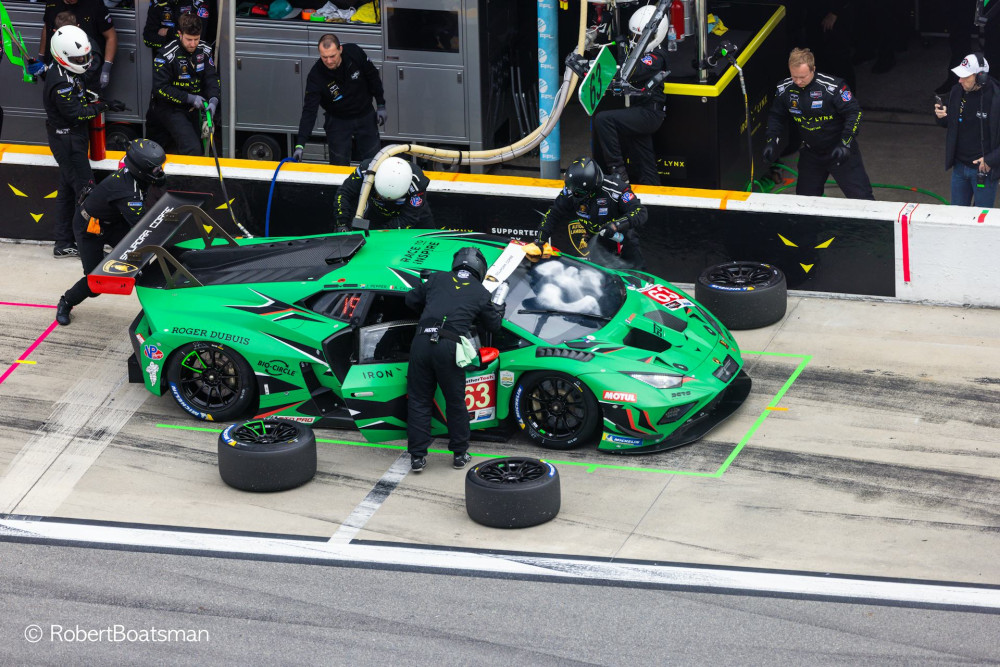
- Physical endurance: In long events such as the 24 Hours of Daytona or the Baja 1000, fatigue can lead to lapses in concentration and costly mistakes.
- Poor team communication: Misunderstandings about strategy or pit timing can cost valuable seconds—or even a race win.
Spotting these weaknesses allows bettors to identify when a favorite might be overvalued and when an underdog could offer better value.
Læs også:



Data and Observation: Two Sides of the Same Coin
A solid analysis of drivers’ strengths and weaknesses requires both data and intuition. Statistics such as qualifying performance, average lap times, and error rates provide an objective foundation. But observation—how a driver reacts under pressure, handles traffic, or manages tire wear—can be just as revealing.
Experienced bettors often combine data analysis with firsthand observation. They watch races, follow team communications, and read post-race interviews. This holistic approach builds a deeper understanding of why a driver performs as they do—and when they’re likely to replicate that performance.
Context Is Everything
A driver’s strengths and weaknesses must always be viewed in context. A driver who excels on high-speed ovals may struggle on tight street circuits. Another might shine in wet conditions but falter in extreme heat. Even the car’s setup philosophy or team culture can amplify or mask certain traits.
For bettors, the key question is always: Does this track, weather, and car combination suit the driver’s profile? Often, the best betting opportunities lie in these subtle mismatches—before the market fully adjusts the odds.
From Analysis to Action
Using drivers’ strengths and weaknesses as an analytical tool isn’t about finding a perfect formula. It’s about building a structured, informed foundation for your bets. It requires patience, research, and critical thinking. Over time, this approach can provide a significant edge—especially in a sport where many bettors still rely on reputation and popularity rather than performance and context.
In short: the better you understand the person behind the wheel, the better you can predict how the race will unfold. And in sports betting, the ability to foresee the unpredictable is what separates luck from insight.
Læs også: