Getting Ready for the Season: What Past Motorsports Trends Can Teach You

Getting Ready for the Season: What Past Motorsports Trends Can Teach You
As a new motorsports season approaches, garages across the country buzz with preparation, and fans start speculating about who will come out strong. But behind the roar of engines and the spectacle of race weekends lie patterns that can teach valuable lessons — for teams, fans, and anyone who follows the sport closely. Looking back at past trends reveals how preparation, adaptability, and timing often make the difference between victory and disappointment.
Preparation Is More Than Mechanics
In motorsports, preparation goes far beyond tuning the car. The most successful teams approach the off-season as a strategic project — combining data analysis, teamwork, and mental readiness. History shows that teams that start strong often began planning months before the first green flag.
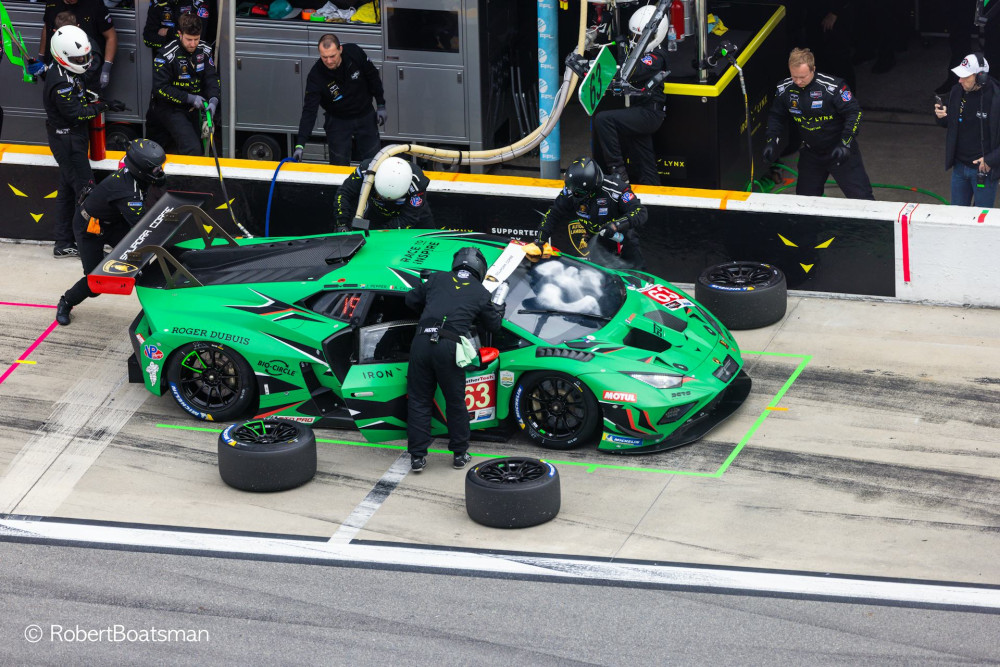
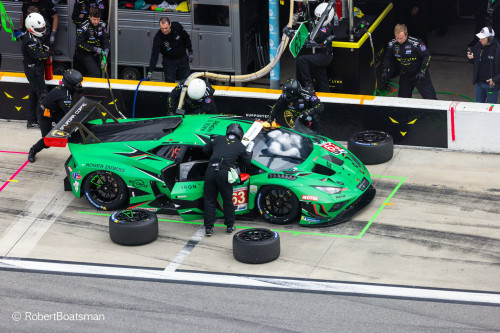
In both Formula 1 and NASCAR, top teams have used the winter break to simulate race conditions, test new setups, and refine pit strategies. This proactive approach highlights that preparation isn’t just about reacting — it’s about anticipating.
As a fan or analyst, you can use this insight to gauge who’s likely to perform well early in the season. Look for teams that have shown consistent testing results and avoided major technical issues during pre-season trials.
Læs også:

Learning from Development Curves
Past seasons have shown that development speed can be just as important as a strong start. A team that begins the year in the middle of the pack can become a contender if it improves steadily race by race. Conversely, an early win can mask a lack of long-term development capacity.
In American racing, smaller teams have occasionally challenged the giants by adapting faster to new regulations or tire compounds. This proves that flexibility and innovation can rival raw horsepower.
As you prepare for the new season — whether as a fan, analyst, or fantasy league participant — it’s worth studying how teams have historically handled change. Those that learn and evolve quickly often end up on top.
Strategy and Timing: The Hidden Factors
Motorsports success isn’t just about who drives the fastest; it’s about who makes the smartest decisions at the right time. Past trends show that teams mastering strategy — from pit stop timing to tire management — can often overcome a slower car.
A common pattern is that experienced teams use the early races to gather data and refine their approach. It may look conservative, but it often pays off mid-season when every point counts.
For spectators, this means looking beyond the first few results. A team that seems cautious early on might be building momentum for a strong finish.
Technology Shifts Change the Game
Every major technological shift in motorsports — from hybrid systems to aerodynamic overhauls — has reshaped the competitive landscape. History shows that teams investing early in understanding new technologies often gain a decisive edge.
The same applies to drivers. Those who quickly adapt to new driving styles or systems can turn change into opportunity. It’s a reminder that innovation and learning are constants in racing’s evolution.
As the new season begins, keep an eye on how teams handle new technical regulations. It’s often a clue to who has mastered the details — and who’s still searching for balance.
Mental Strength and Team Culture
Even the best car can’t win without a cohesive team behind it. Communication, trust, and composure under pressure often separate champions from the rest. Teams that stay focused through setbacks can turn a rough start into a strong finish.
Many champions have emphasized that mental preparation is as vital as technical skill. A team that believes in its plan reacts faster and more effectively when the pressure mounts.
As a fan, understanding this dynamic helps explain why some teams remain consistent while others falter. It’s rarely just about speed — it’s about culture and resilience.
What You Can Take into the New Season
As you look ahead to the upcoming season, use past trends as your guide. Ask yourself:
- Who has prepared best, both technically and mentally?
- Which teams have historically improved as the season progresses?
- How are they adapting to new rules and technologies?
- And who has shown the ability to stay calm when the pressure rises?
By combining historical insight with current observations, you’ll gain a deeper understanding of what’s to come. Motorsports is about speed, but it’s also about patterns — and those patterns can teach you a lot if you look beyond the results.
Læs også: