When News Hits the Market: How Boxing Odds Are Affected

When News Hits the Market: How Boxing Odds Are Affected
As a big fight approaches, boxing fans and bettors alike keep a close eye on every headline, interview, and rumor surrounding the fighters. A minor injury, a change in training camp, or even a single offhand comment can send betting odds swinging within hours. But what exactly drives these movements, and why does the market react so quickly to new information? Here’s a look at how news shapes boxing odds—and how bettors can make sense of the shifts.
The Market Moves on Information, Not Emotion
Odds are, at their core, a reflection of probability. When sportsbooks set opening lines, they rely on data, past performances, and expert analysis. But once the market opens, it becomes a living system—constantly adjusting as new information emerges.
If a fighter admits he’s struggling to make weight, bettors may interpret that as a sign of weakness. Money starts flowing toward the opponent, and sportsbooks adjust the odds to balance their exposure. It’s not about emotion—it’s about recalibrating the perceived likelihood of victory based on fresh data.
Injuries and Training Updates: The Biggest Movers
The most dramatic odds shifts often follow credible reports of injuries or health issues. A boxer returning from a hand injury might look fine in training clips, but if whispers of a setback start circulating, the market reacts fast.
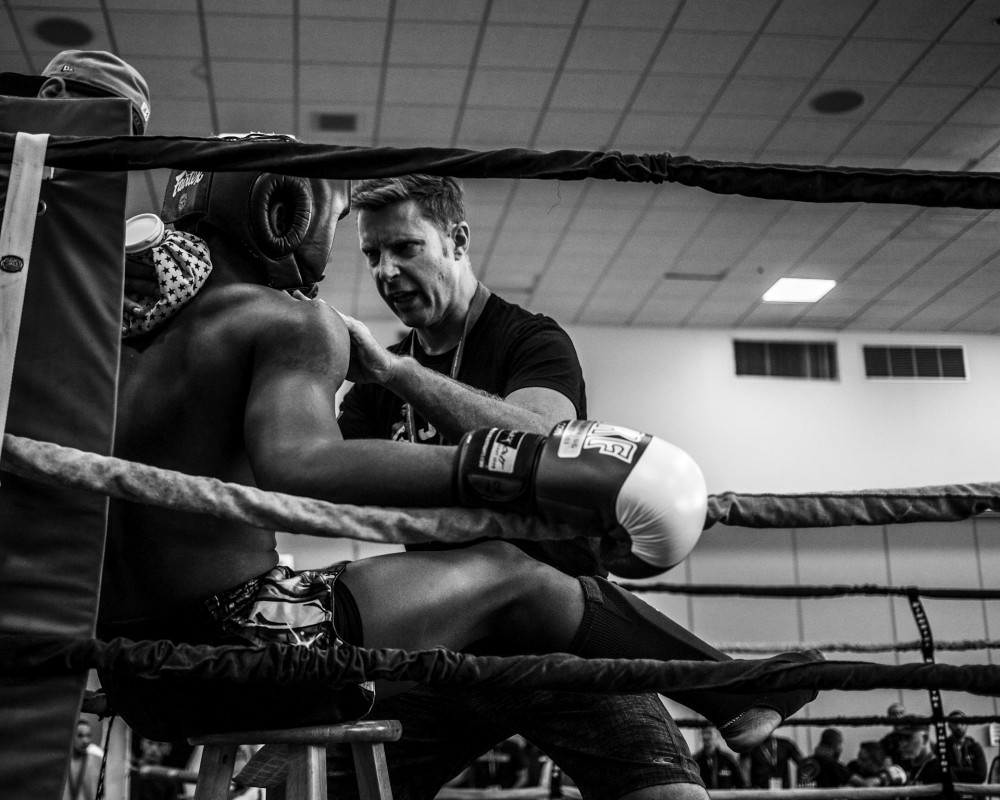
Changes in a fighter’s corner can also move the line. A new trainer might signal a different strategy or fighting style, prompting bettors to reassess the matchup. In major bouts, even small details—like who a fighter has been sparring with—can influence how the odds evolve.
Læs også:


The Media Effect: How Rumors Move the Line
In today’s hyperconnected world, news travels at lightning speed. Social media posts, podcasts, and insider reports can all trigger immediate market reactions.
A single tweet from a respected boxing journalist suggesting a fighter looked sluggish in camp can send bettors scrambling—even if the story isn’t confirmed. Sportsbooks must constantly decide whether a piece of news is credible enough to warrant an adjustment.
This means the market doesn’t always behave rationally. Sometimes bettors overreact, pushing odds too far in one direction. For sharp bettors, that can create opportunities—but also risks.
Weigh-Ins and Press Conferences: Small Signals, Big Impact
The final days before a fight are often the most volatile. The official weigh-in, for instance, offers a rare visual cue. If a fighter looks drained or uncomfortable after cutting weight, odds can shift dramatically within minutes.
Press conferences can have a similar effect. Confidence, body language, and tone are all scrutinized. A fighter who appears nervous or defensive might see the market turn against him, even if nothing has changed physically.
When the Market Overreacts: Finding Value
While news often provides an accurate reflection of a fight’s dynamics, overreactions are common. A minor injury can be blown out of proportion, or a misunderstood quote can spark unnecessary panic.
Experienced bettors know that these moments can create value. If you believe the market has overcorrected, you might find odds that are more favorable than they should be. But timing and discernment are key—it takes skill to separate meaningful news from background noise.
Reading the Market, Not Just the Fight
Understanding how news affects odds isn’t just about knowing boxing—it’s about understanding market psychology. The best bettors track not only the fighters but also the flow of information: who’s reporting it, when it breaks, and how the market responds.
By combining boxing knowledge with an awareness of how information spreads, bettors can better judge when odds reflect reality—and when they don’t.
Conclusion: Information Is Power—If You Use It Wisely
When news hits the market, odds can shift in an instant. For some, that volatility is stressful; for others, it’s where opportunity lies.
The key is recognizing that not all news is created equal. Some stories truly change the fight’s outlook, while others simply stir the crowd. The bettor who can tell the difference stands the best chance when the first bell rings.
Læs også: