Game Plans and Adjustments – The Key to Predicting the Outcome of a Match

Game Plans and Adjustments – The Key to Predicting the Outcome of a Match
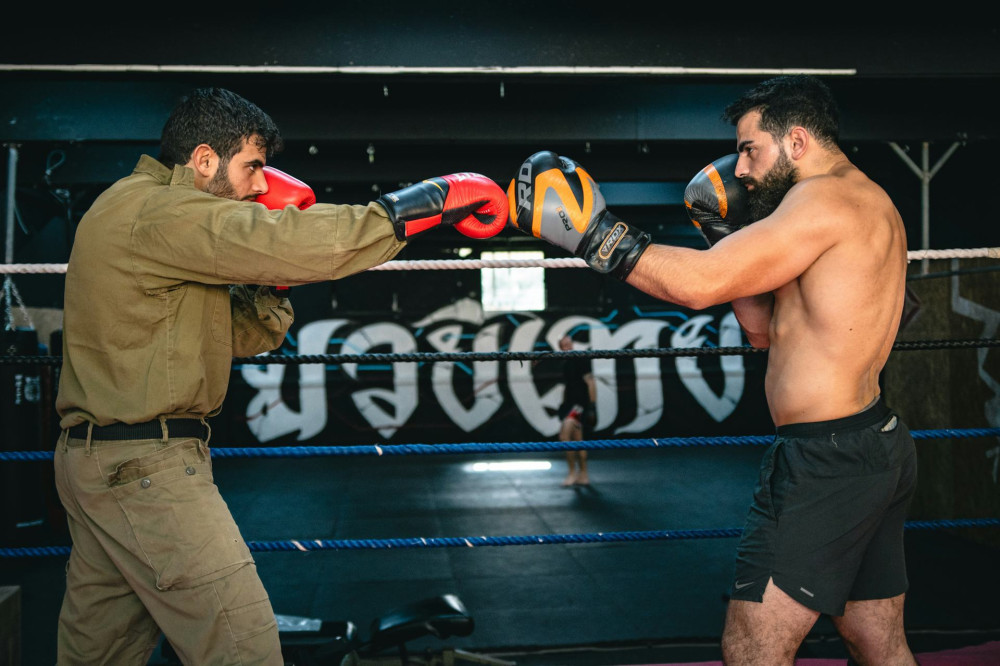
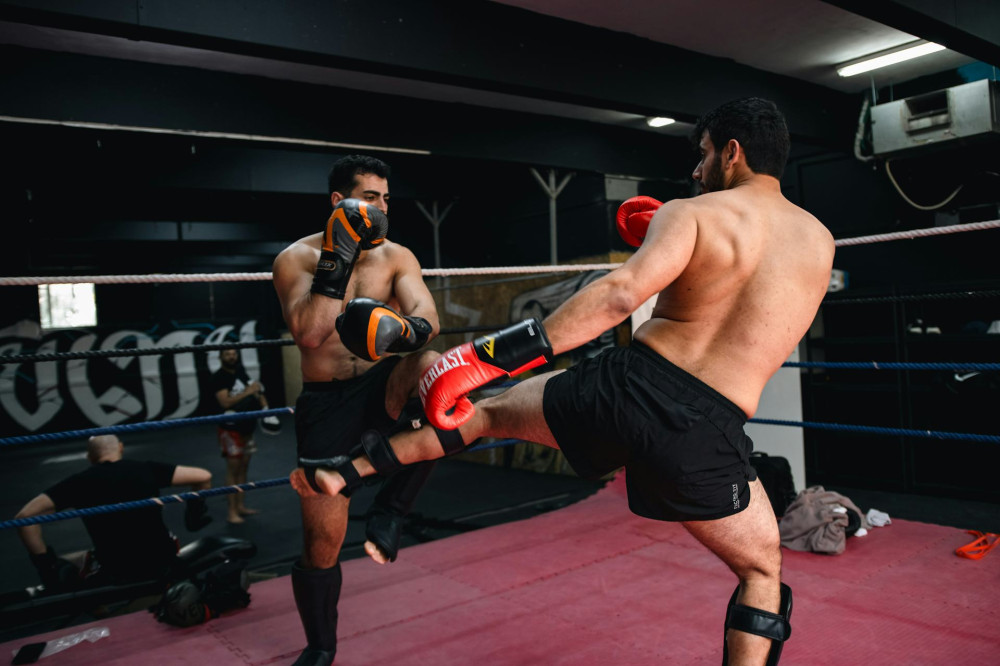
When two fighters step into the ring, it’s not just power and technique that determine who walks away victorious. Behind every punch lies a strategy — a game plan — and the ability to adjust that plan mid-fight can be the difference between triumph and defeat. For coaches, fighters, and fans who love to analyze the sport, understanding game plans and tactical adjustments is essential to predicting how a match will unfold.
The Game Plan – A Fighter’s Strategic Foundation
A game plan is the overarching strategy a fighter and their coach design before the bout. It’s built around the opponent’s strengths, weaknesses, and habits. Should the fighter press early or wait to counter? Focus on body shots to slow the opponent down, or keep distance with a sharp jab?
A solid game plan comes from careful study. The coaching team reviews past fights, noting movement patterns, reactions under pressure, and endurance in later rounds. The goal is to find small openings that can be exploited — while avoiding the traps the opponent might set.
Adjustments – When Reality Meets the Plan
As in any sport, no plan survives contact with reality unchanged. In boxing, a single punch can shift momentum completely. That’s why the ability to adjust mid-fight is one of the most underrated skills a fighter can have.
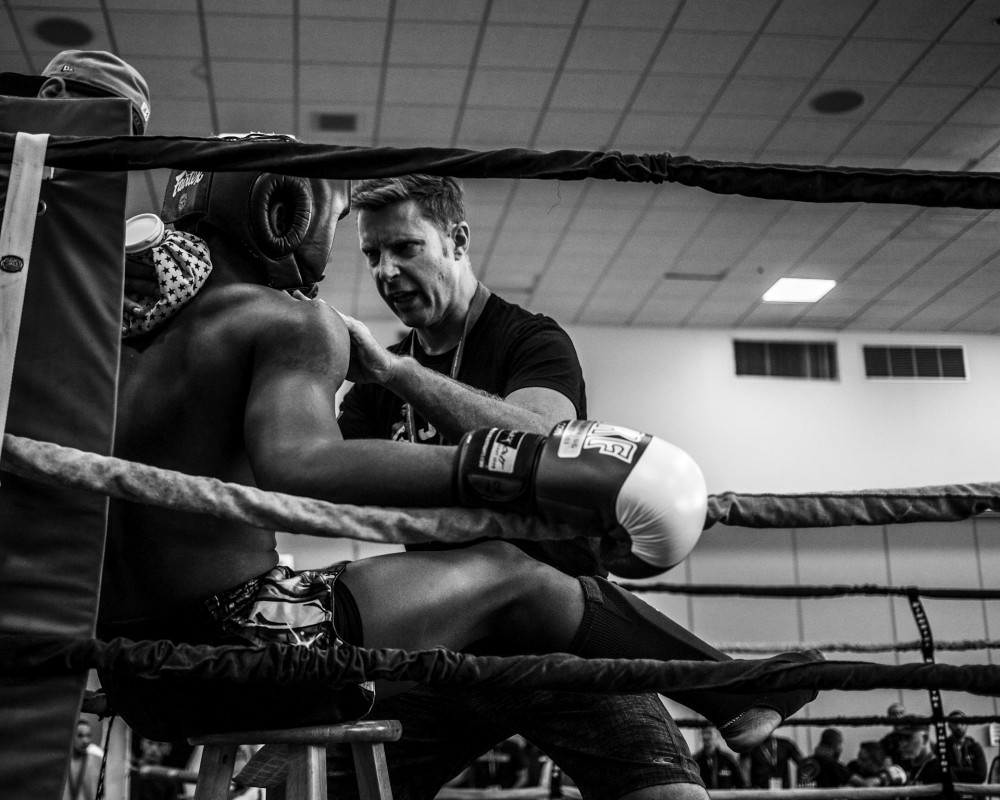
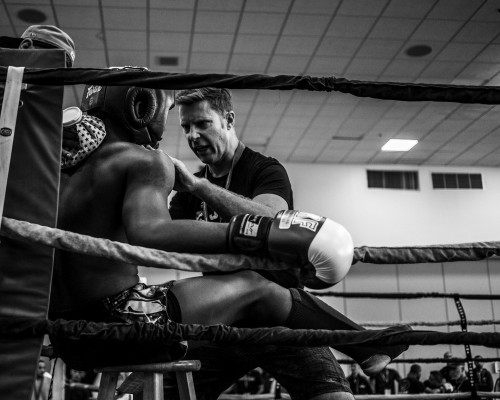
The best fighters read the bout in real time. They sense when the opponent changes rhythm and adapt instantly. Maybe the pace needs to slow to conserve energy, or maybe it’s time to take the initiative when the opponent shows signs of fatigue. The coach’s role between rounds is crucial here — those brief moments in the corner are where tactical shifts are made.
Læs også:
Tactical Shifts in Action
Boxing history is full of fights where adjustments turned the tide. A fighter who starts out getting hit too often might change angles, move more, and suddenly neutralize the opponent’s offense. Sometimes it’s about changing focus — from head to body, from distance fighting to close combat.
A classic scenario is when a technical boxer faces a heavy puncher. If the technician can maintain distance and use the jab effectively, they can wear the puncher down over time. But if the puncher closes the gap, the strategy must change — clinching, slowing the pace, and disrupting rhythm can become the keys to survival.
Predicting the Outcome – What to Look For
For those analyzing fights — whether coaches, commentators, or betting enthusiasts — it’s vital to observe how fighters handle adversity. A boxer who only performs well when everything goes according to plan is vulnerable. One who can adapt on the fly has a much better chance of winning, even against a stronger opponent.
Key factors to watch include:
- Ring IQ: The ability to read the opponent and make smart decisions in the moment.
- The Coach’s Role: Communication between rounds can completely alter the fight’s direction.
- Conditioning: A well-conditioned fighter can make tactical changes without being limited by fatigue.
- Mental Toughness: Staying calm and focused when the plan falls apart is often what separates winners from losers.
By combining these observations with knowledge of each fighter’s past performances, one can often make a well-founded prediction about who’s most likely to prevail.
Game Plans as a Reflection of Personality
A game plan isn’t just a tactical document — it reflects the fighter’s personality. Some are natural aggressors who thrive in close exchanges, while others are patient strategists who wait for the perfect moment. The best game plan is one that fits the fighter’s temperament and physical attributes.
When evaluating an upcoming fight, it’s worth asking: does the expected strategy match the fighter’s nature? If not, that mismatch could signal trouble when the pressure mounts.
Conclusion – Flexibility as the Deciding Factor
Predicting the outcome of a boxing match isn’t just about comparing records or knockout percentages. It’s about understanding the dynamic between planning and adaptation. The fighter who can combine a well-crafted game plan with the ability to adjust on the fly almost always holds the advantage.
In the end, boxing is more than a physical contest — it’s a battle of decisions, intuition, and adaptability. And that’s exactly where the key to predicting the outcome of a match lies.
Læs også: