Use Visual Notes to Discover Strategic Patterns in Darts Matches


Use Visual Notes to Discover Strategic Patterns in Darts Matches
Darts is a game where precision, focus, and strategy come together in a fast-paced mental and physical challenge. For many players, success isn’t just about hitting the right targets—it’s about recognizing the patterns behind each throw. Visual notes—a mix of sketches, diagrams, and symbols—can be a surprisingly powerful way to uncover strategic tendencies and improve your performance over time.
What Are Visual Notes?
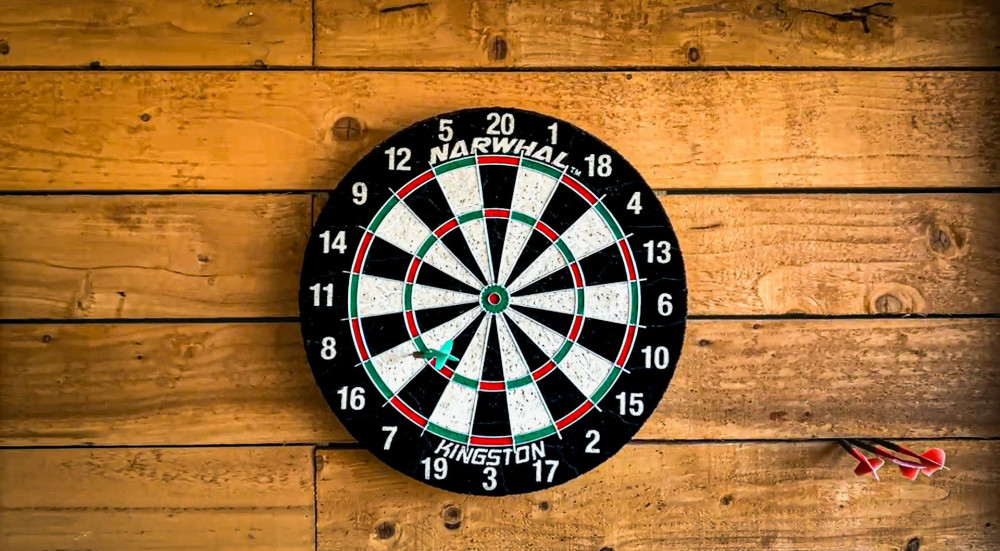
Visual notes combine text and drawing to help you capture and understand information. Instead of only writing down scores or averages, you use arrows, colors, circles, and small icons to illustrate how a match unfolds. This could be as simple as a sketch of a dartboard with marks showing where your darts landed, or as detailed as a diagram mapping your shot selection and decision-making in key moments.
The method is well known in creative learning and brainstorming, but it also works beautifully in sports—especially in darts, where repetition and rhythm are central to success.
Læs også:




How to Get Started
You don’t need to be an artist to use visual notes. The goal isn’t to make something pretty—it’s to make something useful. Start with a blank sheet of paper or a digital notebook, and draw a basic dartboard outline. From there, begin noting:
- Throw patterns: Mark where your darts tend to land and where you often miss.
- Strategic choices: Record which targets you aim for in different situations—like when you’re setting up a finish.
- Opponent tendencies: Sketch how your opponent plays and look for recurring habits.
- Mental state: Use symbols to represent how you felt at certain moments—maybe a lightning bolt for frustration or a star for confidence.
After a few matches, you’ll start to see patterns that are hard to notice in the heat of competition.
From Observation to Strategy
Once you’ve collected visual notes from several games, you can begin analyzing them. Maybe you notice that you often miss when switching from triple 20 to double 10, or that your rhythm changes when you’re ahead. Seeing these patterns on paper makes it easier to understand why certain situations repeat themselves.
You can also use your notes to plan practice sessions. If you find that you consistently miss low on triple 19, you can focus your training on that area. Over time, your notes become a practical tool for turning observation into action.
Use Colors and Symbols for Clarity
Colors can make your notes easier to read at a glance. Try using green for successful throws, red for misses, and blue for neutral situations. Symbols can also make your notes more intuitive—arrows for throw direction, circles for target zones, and small icons for mental states.
As you develop your own “visual language,” you’ll be able to track your progress more clearly. This can be especially helpful if you work with a coach or review matches with other players.
Digital Tools for Visual Notes
While pen and paper work perfectly well, digital tools can make the process even more flexible. Apps like GoodNotes, Notability, or simple drawing programs let you save, copy, and compare notes from different matches. You can even take photos of your dartboard after a game and mark your throws directly on the image.
For players who enjoy data, electronic dartboards can provide shot statistics that you can combine with your visual notes for deeper analysis. This blend of data and drawing gives you a unique view of your accuracy, rhythm, and decision-making patterns.
A New Way to See the Game
Using visual notes isn’t just about keeping stats—it’s about seeing the game differently. When you start sketching and visualizing your matches, you notice details that might otherwise slip by. You become more aware of your habits and learn to think strategically in a more creative way.
Whether you’re a casual player looking to understand your game better or a serious competitor aiming to refine your strategy, visual notes can help you uncover patterns you didn’t know existed—and take your darts game to the next level.
Læs også: