Why Basketball Markets React More Strongly to Individual Performances


Why Basketball Markets React More Strongly to Individual Performances
When you follow the movement of sports betting markets, it quickly becomes clear that basketball behaves differently from most other sports. While football or hockey markets tend to move based on team form and tactical trends, basketball markets react much faster—and more dramatically—to changes in individual player performance. But why is that, and what does it mean for those who analyze or bet on the games?
A Game Where One Player Can Change Everything
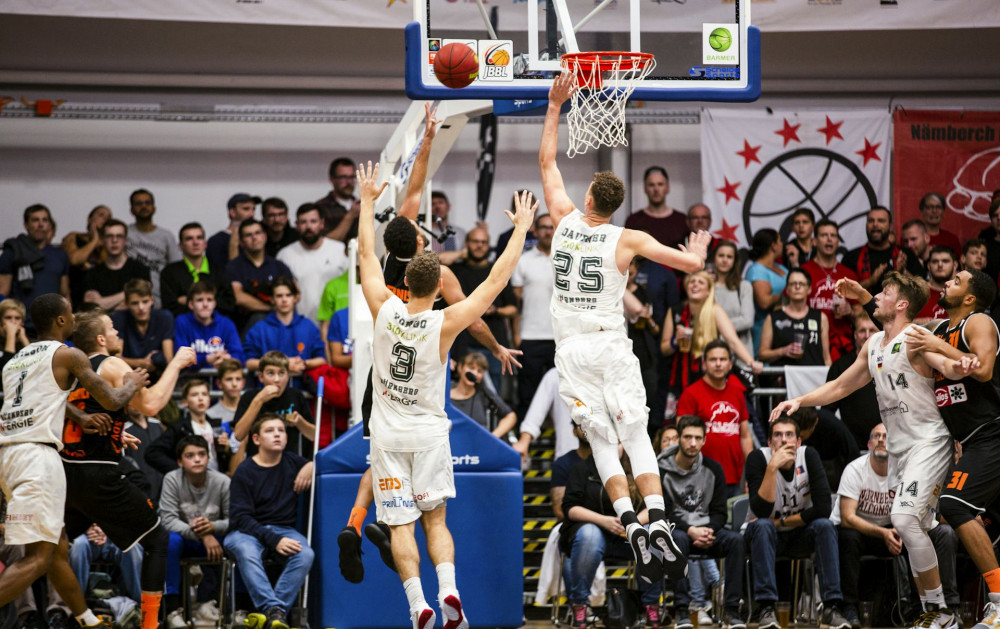
Basketball is played with only five players on the court per team, and the pace is relentless. Every possession runs through a handful of key players, which means one star can have an outsized impact on the outcome. A player who scores 30 points in a game might account for a third of his team’s total offense. If that player is suddenly unavailable or playing below his usual level, the entire dynamic of the game shifts.
When a key player is injured, resting, or suddenly finds his rhythm, the market reacts almost instantly. Lines move, odds adjust, and traders scramble to price in the new information—often before it’s officially confirmed. Experienced bettors and automated models pick up on subtle signals: changes in practice reports, social media chatter, or even body language during warmups.
Data Transparency Fuels Faster Reactions
Another reason basketball markets move so quickly is the sheer amount of data available. The NBA publishes detailed statistics on everything from shooting efficiency to “player impact estimate” and “usage rate.” These metrics make it possible to quantify exactly how much a player contributes to his team’s success.
If a high-usage player is ruled out, analysts can estimate how many points the team is likely to lose and adjust their models accordingly. In sports like soccer, where the game is more fluid and tactical, it’s much harder to isolate the effect of one player. Basketball’s statistical clarity makes it easier—and faster—for markets to respond.
Smaller Rosters, Bigger Swings
In basketball, rotations are short, and stars often play 35 to 40 minutes per game. The gap between starters and bench players can be huge. When a top scorer or playmaker sits, a less efficient backup has to fill the void, and the difference shows up immediately on the scoreboard.
In sports with larger rosters, like football or baseball, one substitution rarely changes the outcome to the same degree. That’s why basketball markets tend to swing more sharply in response to individual player news.
The Psychology of Superstars
Basketball is also a sport where superstars carry unique psychological weight—for teammates, opponents, and fans alike. When a player like Stephen Curry or Giannis Antetokounmpo is on the floor, it changes how defenses react, how teammates move, and how confident the team feels. The market doesn’t just respond to numbers; it responds to perception.
Even small shifts in a star’s performance—fatigue after a long road trip, rumors of a nagging injury, or visible frustration—can move the odds. Traders and bettors know that confidence and momentum matter, and they price those intangibles into the market.
Live Betting Amplifies the Effect
As live betting has become more popular, these reactions have grown even faster. Basketball is played in short bursts, and momentum can flip in seconds. If a player suddenly hits three straight three-pointers, live odds can swing dramatically. The constant flow of scoring and substitutions makes basketball one of the most volatile sports for in-game betting—and one of the most exciting for those who can read the rhythm of the game in real time.
Læs også:



What It Means for Bettors and Analysts
For anyone involved in basketball markets, understanding the weight of individual performances is essential. It’s not enough to know team trends; you need to track player minutes, injury reports, and even mental state. The most successful bettors are often those who can react faster than the algorithms—or recognize when the market has overreacted to a single performance.
Because while basketball markets move sharply, they don’t always move rationally. Sometimes, public perception of a star’s value overshoots reality, creating opportunities for those who can separate hype from substance.
A Sport Where the Individual Is the Key
Basketball is, at its core, an individual sport disguised as a team game. That balance between personal brilliance and collective effort is what makes it so captivating—and so unpredictable in the markets. When one player can change everything, every game becomes a study in data, psychology, and timing.
Læs også: