Steady Form or Fluctuating Performance? Learn How to Evaluate Racehorses

Steady Form or Fluctuating Performance? Learn How to Evaluate Racehorses
Evaluating a racehorse’s form is both an art and a science. For newcomers to horse racing, results may seem random, but behind every finish lies a pattern that can be read—if you know what to look for. This article introduces how to assess whether a horse is in steady form or showing inconsistent performances, and how to use that knowledge when placing a bet.
What Does “Form” Really Mean?
When people talk about a horse’s form, they’re referring to its current ability to perform at its best. A horse may have great potential, but if it’s out of form, it’s unlikely to win. Form is influenced by many factors: training, health, age, motivation, and how well the horse handles the track, distance, and competition.
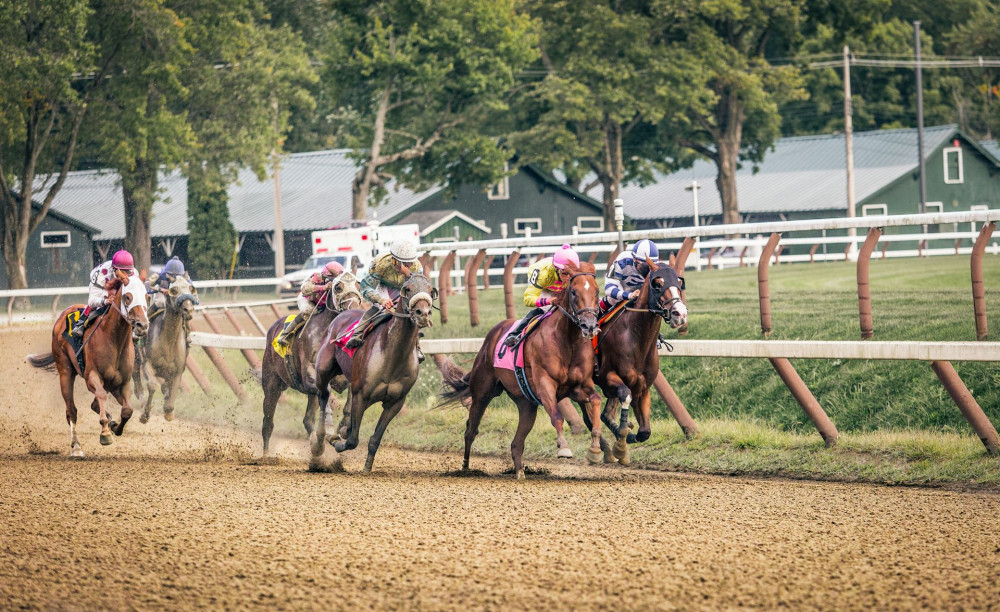
Form is usually judged by recent races. A horse that consistently finishes in the top three shows stability. One that wins impressively one week and finishes far back the next may be inconsistent—but that doesn’t necessarily mean it’s a poor performer. External factors often play a role.
Read the Past Performances Critically
Race programs in the U.S. list a horse’s recent results in shorthand, such as “3-1-5-2-7.” Those numbers tell part of the story, but context is key. To interpret them correctly, consider:
- Competition level: A fifth-place finish in a Grade 1 race may be more impressive than a win in a lower-level claiming race.
- Distance: Some horses excel in sprints, others in longer routes.
- Surface: A horse might dominate on dirt but struggle on turf or synthetic tracks.
- Post position: A wide post can make it harder to get a good early position, especially in large fields.
By combining these factors, you’ll get a more realistic picture of a horse’s true performance.
Læs også:

Look for Trends, Not Just Results
A horse that’s gradually improving its finishes may be rounding into form. Conversely, one that used to win but now fades late could be declining. Always look at the trajectory, not just isolated results.
Trainer comments and equipment changes can also offer clues. A switch to blinkers, a new jockey, or a change in shoeing might signal an attempt to improve performance. Sometimes these adjustments work immediately; other times they take a few races to show results.
Understand the Horse’s Temperament and Rhythm
Like people, horses have personalities. Some are steady and reliable, while others are more temperamental. A horse that gets nervous in the paddock or reacts poorly to the crowd may perform inconsistently.
Experienced bettors watch pre-race behavior closely. Does the horse look calm and focused, or anxious and sweaty? Many U.S. tracks and racing networks provide paddock and post parade coverage—valuable tools for spotting behavioral cues.
Trainer and Jockey: The Human Factor
A horse is only as good as the team behind it. A skilled trainer can maintain a horse’s form over time, while an experienced jockey can make the right split-second decisions during a race. Statistics on trainer-jockey combinations often reveal which partnerships consistently deliver strong results.
If a horse suddenly gets a new jockey, it might indicate a strategic change. That switch can either spark improvement or create uncertainty—something worth noting before you bet.
Track Conditions and Weather Matter
Even the best horse can struggle under the wrong conditions. A muddy track after heavy rain may favor strong, stamina-based runners, while fast, dry tracks benefit speedier types. Always check the track condition and weather forecast before race time.
Some horses also have “horse-for-course” tendencies—they perform better at certain tracks. A horse that thrives at Churchill Downs might not handle the tighter turns at Saratoga as well. Local knowledge can make a big difference.
Use Data—But Don’t Ignore Intuition
Today’s bettors have access to a wealth of data: speed figures, pace analysis, trip notes, and more. These tools are invaluable, but they can’t predict everything. Horses are living athletes, and unpredictability is part of the game.
The best handicappers combine data with intuition. The more you watch races, the better you’ll become at spotting patterns—and at sensing when a horse is ready to peak.
Conclusion: Consistency Pays Off
When you learn to evaluate form, you’ll quickly see that consistency often wins in the long run. A horse that delivers solid performances race after race is usually a safer bet than one that alternates between brilliance and disappointment. Still, those unpredictable horses can offer big payoffs—if you catch them on the right day.
Evaluating racehorses is a balance between analysis and instinct. The better you understand a horse’s form, the smarter your betting decisions will be—and the closer you’ll get to finding your next big winner.
Læs også: