Learn Baseball Through Odds: A New Way to Understand the Game


Learn Baseball Through Odds: A New Way to Understand the Game
At first glance, baseball can seem like a maze of rules, numbers, and strategies. For newcomers, it’s easy to get lost in the jargon of batting averages, ERAs, and slugging percentages. But there’s a surprising way to make sense of it all: by looking at the odds. Sports odds don’t just predict who might win—they reflect the underlying logic of the game. By learning how odds are set and what they mean, you can gain a deeper understanding of baseball itself.
From Numbers to Narrative – What Odds Really Show
When you check the odds for a Major League Baseball game, you’re not just seeing random figures. Those numbers represent probabilities shaped by countless factors: team form, starting pitchers, recent matchups, and even weather conditions.
A team with low odds is considered the favorite—but why? Maybe their ace pitcher is starting, or they’re playing at home where they’ve been dominant. By digging into what drives those odds, you start to see the game’s inner workings: how performance, context, and strategy all come together.
The Pitcher’s Power – The Game’s Central Figure
In baseball, the starting pitcher often determines the tone of the entire game. Odds can shift dramatically once a team announces its starter, because a pitcher’s control, stamina, and style can make or break a matchup.
If you follow stats like ERA (Earned Run Average) and WHIP (Walks and Hits per Inning Pitched), you’ll notice patterns. Some pitchers are consistent and precise; others rely on power but take more risks. Understanding these numbers helps explain why one team might be favored—and gives you insight into how pitching strategy shapes every inning.
Home Field and the Context of the Season
Baseball’s 162-game season means context is everything. A team might be coming off a long road trip, or perhaps they just finished a grueling series against a rival. These details influence both performance and odds.
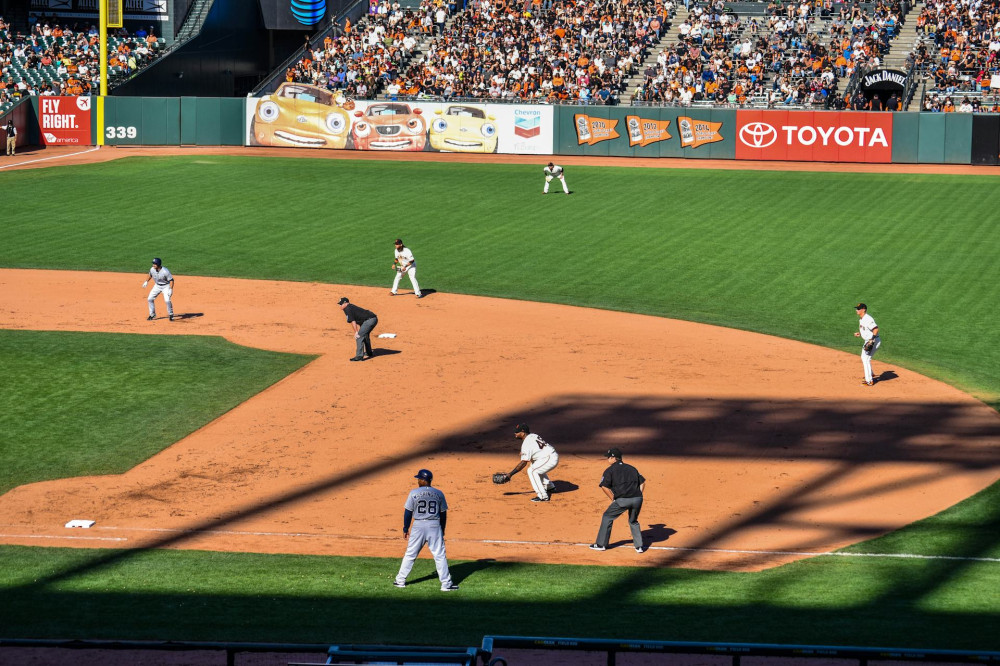
Home-field advantage is another key factor. Ballparks in the U.S. vary widely—some have short fences that favor power hitters, while others have deep outfields that reward strong defense. When you see odds adjust based on where the game is played, you’re really seeing how geography and design affect the sport’s dynamics.
Reading the Stats – Baseball’s Universal Language
Baseball is famously data-driven. Stats like batting average, on-base percentage (OBP), and slugging percentage (SLG) are the building blocks of player evaluation. When a team with several high-OBP players has shorter odds, it’s because those players reach base more often—and more baserunners mean more scoring opportunities.
By connecting odds to these statistics, you start to see how data translates into probability. It’s a practical way to understand why some teams consistently outperform others, and how small differences in performance can have big effects on outcomes.
Læs også:

Live Odds – The Game in Real Time
One of the most engaging ways to learn baseball is through live odds. As the game unfolds, the numbers shift constantly. When a pitcher starts to lose command or a team loads the bases, the odds react instantly.
Watching these changes helps you feel the rhythm of the game. You begin to recognize momentum swings, pressure moments, and how a single pitch can alter everything. It’s like watching the heartbeat of baseball in real time.
From Betting to Understanding
Using odds as a learning tool isn’t about gambling—it’s about perspective. Bookmakers’ analyses reflect deep knowledge of the sport, and by studying how they assign probabilities, you can uncover the logic behind every matchup.
When you connect the dots between stats, strategy, and probability, baseball transforms from a slow-paced pastime into a complex, living puzzle. You start to see how every decision—every pitch, swing, and substitution—fits into a larger plan.
A New Way to See the Game
For many, baseball seems slow until they learn to read its patterns. Odds and data bring those patterns to life. Every inning becomes a story of shifting chances and strategic choices.
So next time you watch a game, take a look at the odds—not to place a bet, but to learn. They tell a story that goes beyond the scoreboard, revealing the hidden logic that makes baseball one of the most intricate and fascinating sports in America.
Læs også: