Home Advantage and the Crowd: How Big Is the Effect in Hockey, Really?

Home Advantage and the Crowd: How Big Is the Effect in Hockey, Really?
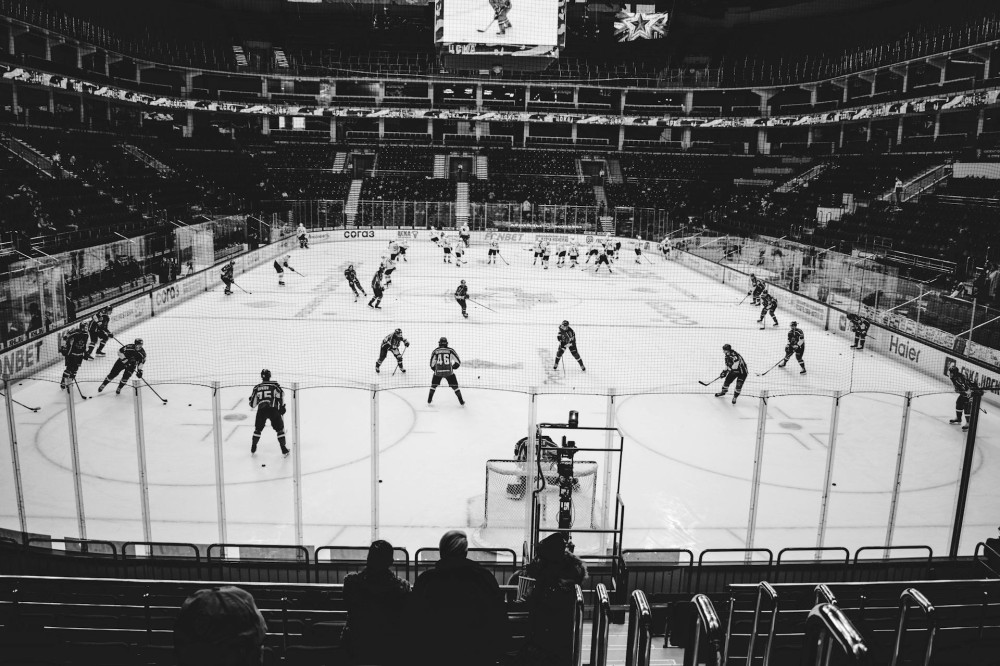
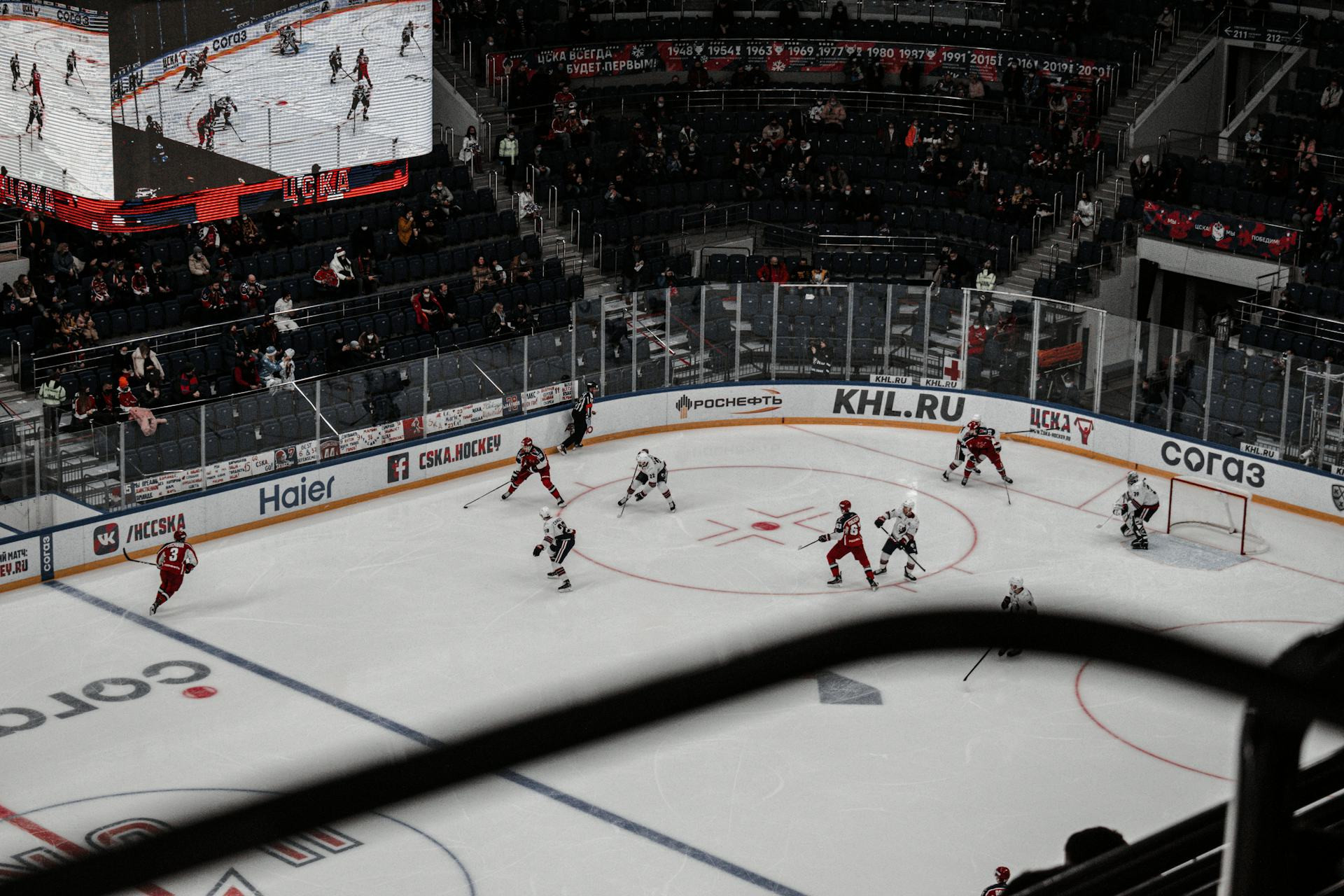
When a hockey team plays on home ice, fans often talk about the “extra skater” — the crowd that fuels the players with noise, energy, and belief. But how big is the home-ice advantage, really? Is it mostly psychology, statistics, or just a myth we keep repeating because it feels true? Research and data from the NHL and other leagues paint a more nuanced picture.
Measuring the Margins
Hockey is a game of fine margins. A single goal, penalty, or save can change everything. Yet, the numbers show that home teams do win slightly more often than visitors. In the NHL, the home-ice advantage typically sits around 54–55 percent — meaning home teams win just over half their games. It’s not a huge gap, but over an 82-game season, that small edge can determine playoff seeding and even who gets home ice in the postseason.
That doesn’t mean the home team is always better — only that there’s a measurable, if modest, advantage. In a sport where momentum and confidence matter, even a few percentage points can make a difference.
The Crowd as a Psychological Force
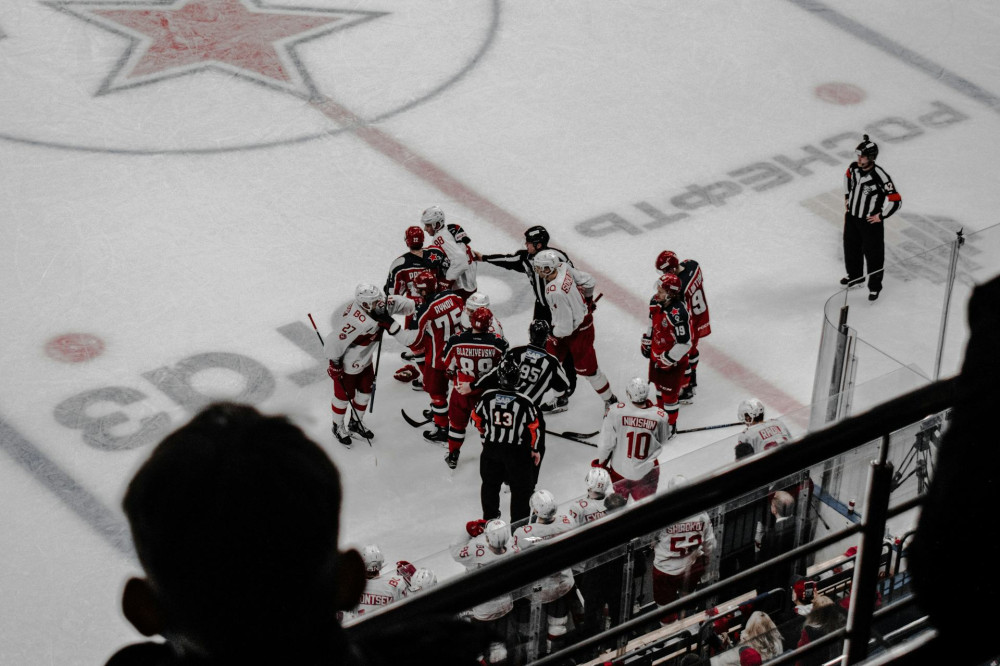
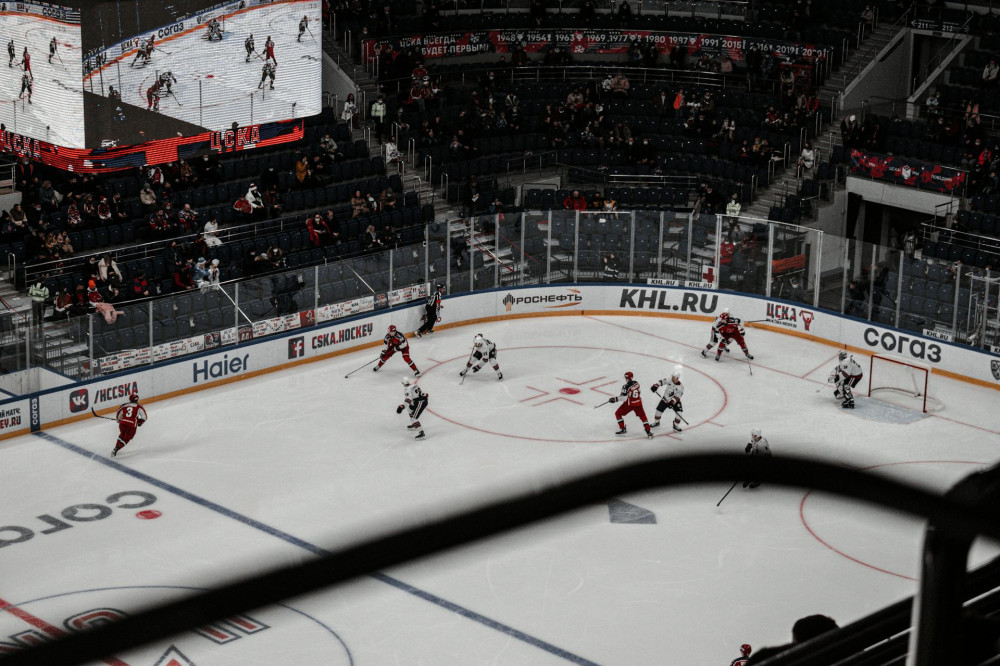
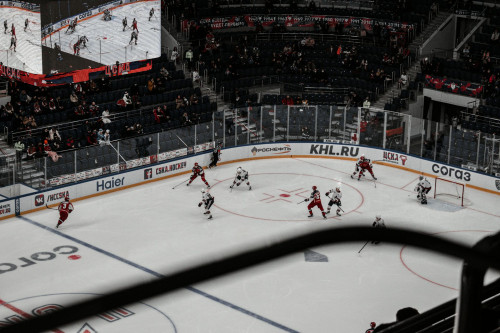
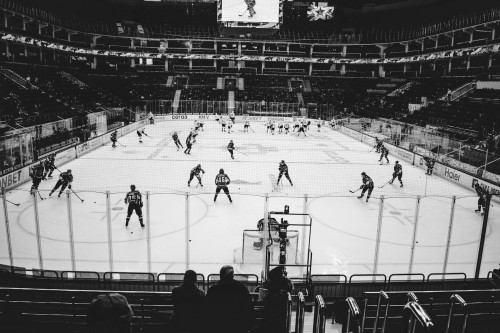
Fans are the heartbeat of the hockey experience. The roar after a big hit, the chants during a power play, the collective gasp when a shot rings off the post — all of it creates an atmosphere that can influence both players and officials. Studies have shown that referees, often unconsciously, are more likely to make calls favoring the home team when surrounded by a loud, partisan crowd. This “crowd bias” has been documented across multiple sports, and hockey is no exception.
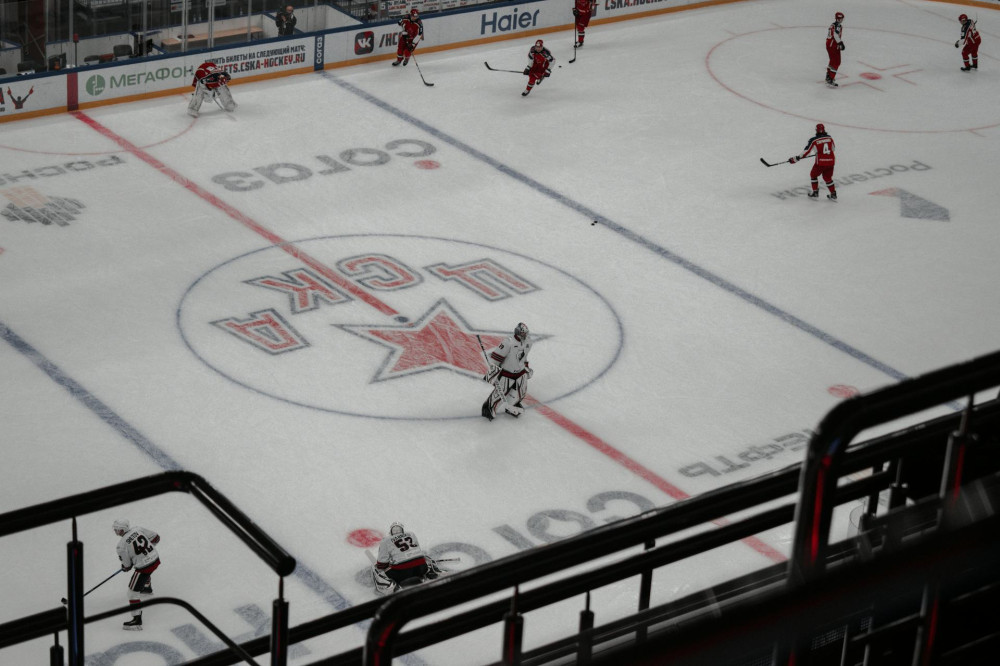
For players, home ice means comfort and familiarity. They know the boards, the bounce of the puck, the lighting, and the routines. They sleep in their own beds, follow their usual pregame habits, and feel the emotional lift of thousands of fans behind them. That sense of belonging can translate into sharper focus and better performance under pressure.
Travel, Fatigue, and the Hidden Variables
One of the less glamorous but very real aspects of home advantage is travel. NHL teams crisscross North America, often covering thousands of miles and multiple time zones in a single road trip. Fatigue, disrupted sleep, and unfamiliar surroundings can all take a toll. Even small differences in rest and recovery can matter in a sport as physically demanding as hockey.
Teams often perform better during extended home stands, when they can settle into a rhythm, compared to long road trips where travel and schedule congestion wear them down. In a league as geographically vast as the NHL, travel is not just a logistical challenge — it’s a competitive factor.
What Happened When the Fans Disappeared?
The COVID-19 pandemic offered a rare natural experiment. With arenas empty and games played in “bubbles,” researchers could observe what happened when the crowd was removed from the equation. The result? Home-ice advantage dropped noticeably. Without fans, home teams won less often, and the usual edge in penalties and momentum largely disappeared.
When spectators returned, the advantage crept back up — though not quite to pre-pandemic levels. That suggests the effect is real but complex, shaped by more than just noise. It’s about emotion, familiarity, and the subtle ways human behavior responds to social energy.
Implications for Analysis and Betting
For analysts, bettors, and fans who love to dig into the numbers, home-ice advantage is an important variable — but it shouldn’t be overstated. The difference between home and away performance is smaller than many assume. A strong road team can absolutely win, especially if it’s in form or facing a home team dealing with injuries or fatigue.
The smart approach is to treat home advantage as a tendency, not a guarantee. It’s one factor among many — alongside team quality, goaltending, special teams, and schedule context — that shapes outcomes over time.
Læs også:
A Real Edge, but Not a Magic Spell
Home-ice advantage in hockey is real, but it’s not overwhelming. It’s a blend of psychology, routine, crowd influence, and practical factors like travel and rest. In the end, it’s still the play on the ice that decides the game.
Yet when the arena shakes, the fans rise, and the home team feeds off that surge of energy, it can feel like something more than numbers. Maybe that belief — that sense of having the wind at your back — is what truly makes home ice special.
Læs også: